
Why Spring Is the Best Time to Start a Kitchen or Bath Remodel
People ask when the best time to start a remodel is, and they usually mean when the crew shows up. That is the wrong question. The date that decides how your project goes is the day you start designing and ordering, and that is usually two to three months before anyone swings a hammer.
The Part of the Schedule Nobody Counts
Every timeline you will read, including ours below, describes time on site. It starts at demo. What it leaves out is the stretch before that: measuring, drawings, choosing finishes, getting a cabinet order in, and waiting for it to be built.
That stretch is where most of the delay in a remodel actually lives, and it is almost entirely driven by how quickly decisions get made. A homeowner who picks finishes in three weeks gets a very different schedule from one who takes three months, even though the build is identical.
What the Build Itself Takes
Kitchens
| Scope of work | Typical cost | Time on site |
|---|---|---|
| Cosmetic refresh Countertops, cabinet painting or refacing, backsplash, lighting, hardware. | $25,000 – $50,000 | 3 – 5 weeks |
| Mid-range remodel New cabinetry, countertops, flooring, backsplash, lighting, minor layout changes. | $60,000 – $110,000 | 9 – 12 weeks |
| Full gut renovation Walls moved, new plumbing and electrical, custom cabinetry, premium finishes. | $100,000+ | 11 – 15 weeks |
Bathrooms
| Scope of work | Typical cost | Time on site |
|---|---|---|
| Cosmetic refresh New vanity, toilet, fixtures, paint and a new bathroom floor. Layout stays put. | $8,000 – $15,000 | 1 – 2 weeks |
| Mid-grade full remodel New tile, tub or shower, vanity, plumbing fixtures and lighting. Same footprint. | $20,000 – $40,000 | 3 – 5 weeks |
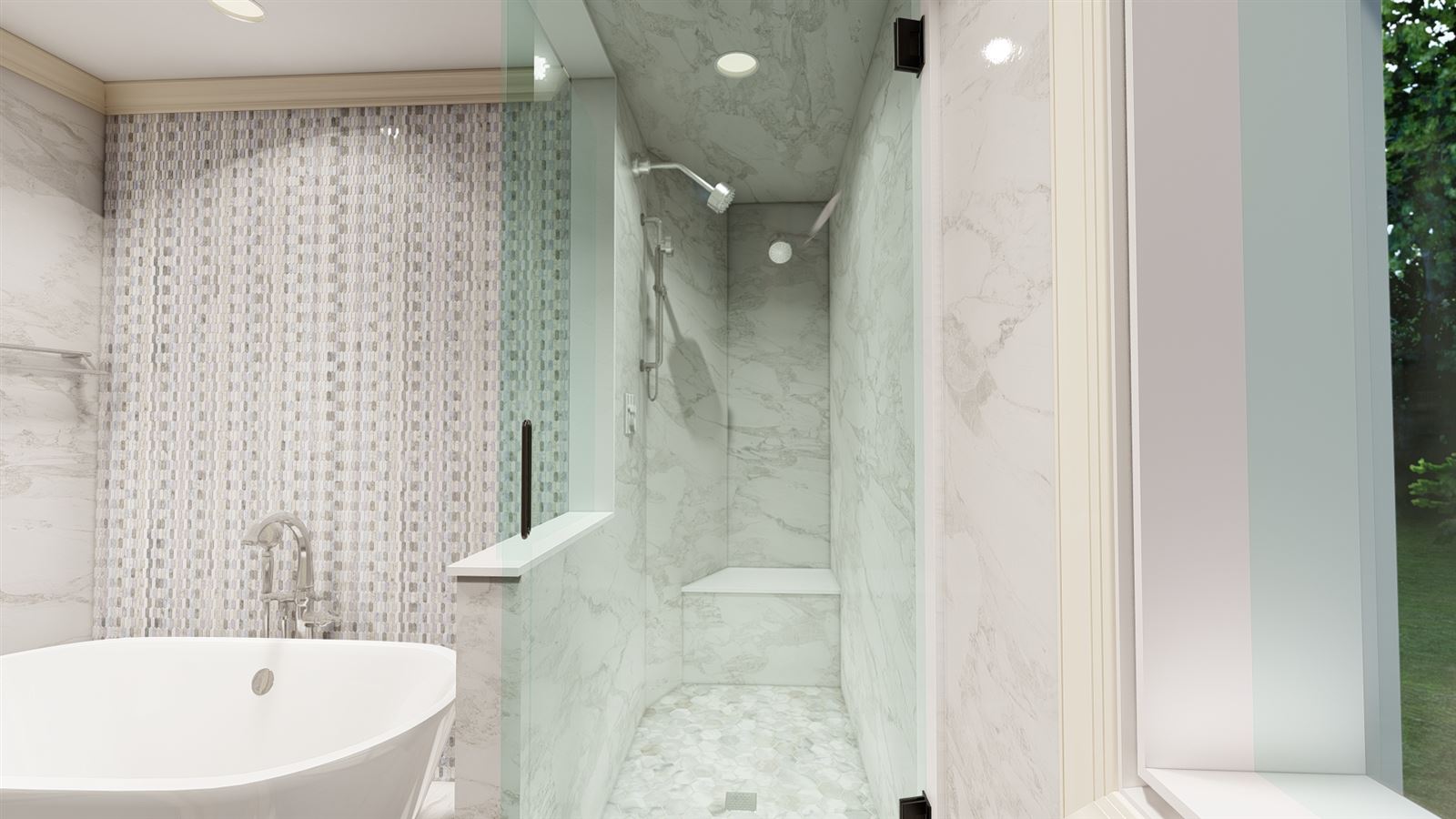
| High-end rip-and-replace Layout changes, custom tile work, frameless glass enclosure, premium fixtures. | $45,000 – $70,000+ | 5 – 7 weeks |
Why Two Identical Projects Can Cost Very Different Amounts
- Who supplies the materials. Some homeowners want to buy their own tile, vanity or fixtures. That can save money, but it changes who carries the risk on lead times, breakage and shortages.
- The finish level you want. A stock vanity and a builder-grade shower door versus custom tile and frameless glass is not a small gap. It is usually the biggest difference between two quotes on the same room.
- How labor-intensive the finished result is. Mosaic and herringbone tile, niches, curbless showers and anything scribed to an out-of-square old wall all take real hours.
- Whether we have to pick up materials. Runs to a supplier are time on the clock that would otherwise be spent building your bathroom.
- Change orders during the project. Deciding you want a bigger shower after the plumbing is roughed in has a cost. It is fine to change your mind. It just has to be priced honestly when you do.
What Spring Timing Actually Gets You
- Windows and doors can stay open for ventilation, which matters when there is demo dust, paint and adhesive in the house.
- Deliveries and dumpsters are not fighting snow and ice, which is a real source of lost days in January and February.
- If any part of the job touches the exterior, spring weather is simply more cooperative.
- You are finished before the part of the year you actually want to use the house — summer entertaining, holidays with a working kitchen.
The catch is that everyone else wants spring too. Good crews book up. Starting design in winter is how you end up with a spring build slot instead of hoping one opens.
So Is Winter a Bad Time?
No, and we work through it every year. Interior work is interior work. Winter often means better availability and a contractor who is not stretched across four jobs at once, which is worth more than most people realize.
The genuine winter considerations are dust and fumes with the house sealed up, and scheduling around holidays when suppliers and inspectors both slow down. Neither is a reason to wait if your kitchen is already failing.
What Actually Moves a Schedule
- Cabinet lead times. This is the big one. Semi-custom and custom cabinetry can take many weeks to build, and nothing downstream can start until it arrives.
- Countertop fabrication. Counters are templated only after cabinets are installed, then fabricated. That is a built-in wait of one to two weeks in the middle of the job.
- Decisions. Every finish not chosen before demo is a potential pause later.
- What is behind the wall. Older homes here hide knob-and-tube wiring, undersized panels and rotted subfloor. Finding it is normal. It still costs days.
- Inspections. Rough plumbing and electrical have to be signed off before anything gets closed up, and that is on the town calendar, not ours.
Anyone giving you a firm completion date before your cabinets are ordered is guessing. Cabinet delivery and countertop fabrication sit partly outside any contractor’s control, and pretending otherwise just moves the disappointment later.
What to Look For Before You Hire Anyone
- Check the license. Connecticut home improvement contractors must be registered with the Department of Consumer Protection. Ask for the number and look it up. Ours is CT HIC #0660720.
- Ask for a certificate of insurance covering general liability and workers compensation, sent directly by the insurer.
- Ask for a realistic schedule, in writing, including what happens if cabinetry is late. A contractor who will not put a schedule on paper has told you something.
- Insist on an itemized estimate so change orders can be judged fairly against it later.
- Ask who is actually on site while the work is being built, not just who shows up to sell it.
- Ask how permits are handled and who is pulling them.
Tips From the Jobsite
- Order cabinetry the moment the layout is final. Everything else can be decided later; that one cannot.
- Choose your countertop material before cabinets are installed so templating is not the first time anyone thinks about it.
- Set up a temporary kitchen before demo, not during. A microwave, a kettle and a folding table in another room makes six weeks bearable.
- Agree in writing how change orders get priced before you need one.
- If you are doing kitchen and bath together, sequence them so you always have one working bathroom.
Common Questions
When is the best time to start a kitchen or bathroom remodel?
Start the design and ordering phase two to three months before you want the build to begin. For a spring build that means starting in winter, because cabinetry lead times and finish decisions happen before demo, not during it.
How long does a kitchen remodel take?
Three to five weeks for a cosmetic refresh, nine to twelve weeks for a mid-range remodel, and eleven to fifteen weeks for a full gut. That is time on site and excludes design and ordering.
How long does a bathroom remodel take?
One to two weeks for a cosmetic refresh, three to five weeks for a mid-grade full remodel, and five to seven weeks for a high-end rip-and-replace.
Is winter a bad time to remodel in Connecticut?
No. Interior work is unaffected by weather, and winter often means better crew availability. The real considerations are dust and fumes with the house sealed up, and holiday slowdowns at suppliers and town inspection offices.
What most often delays a remodel?
Cabinet lead times and countertop fabrication, followed by finish decisions that were not made before demo. Counters can only be templated after cabinets are installed, which builds a one to two week wait into the middle of every kitchen.
The Real First Step
Whatever season it is, the first step is the same: have someone walk the space, talk through what you want, and give you a real schedule and an itemized number. From there you can decide when to build. That visit is free and there is no obligation attached.
Planning a Remodel This Year?
Request a free, no-obligation estimate and we will map out a realistic schedule with you.
Get My Free Estimate