
Hurricane Season in Connecticut: How Coastal Homeowners Should Prepare
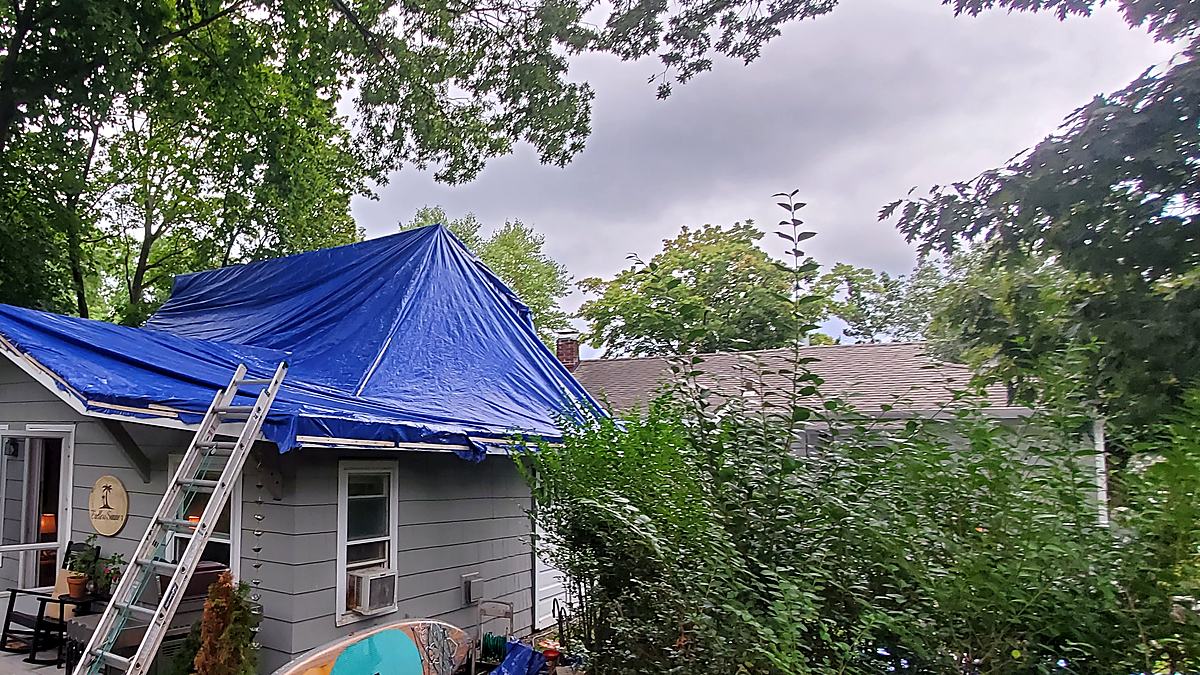
Connecticut does not get hurricanes the way the Gulf Coast does, but it gets the tail end of them, and the tail end is enough. Most of what we repair after a storm here is not dramatic. It is a few shingles lifted in a gust, water finding the gap, and a homeowner discovering three weeks later that the ceiling is stained. Here is what actually causes damage, what repairs cost, and what is worth doing before the season rather than after.
What Actually Causes Damage in a Connecticut Storm
- Wind driving rain sideways. Roofing and siding are built to shed water running down. Wind-driven rain goes under and behind, through gaps that never leak in ordinary weather.
- Trees and limbs. The most common serious damage we see. A limb does not have to be large to open a roof.
- Debris. Anything not secured becomes something moving at speed. Furniture, planters, grills, unsecured gutters.
- Water volume overwhelming drainage. Gutters and downspouts sized for ordinary rain simply cannot move the water, so it goes over the edge and down against the foundation.
- Coastal surge and salt air for homes near the water, which is a different and more corrosive problem than inland wind damage.
What Storm Damage Repairs Cost
| Type of work | Cost | Typical timing |
|---|---|---|
| Small urgent roof repair Stopping active water entry: lifted or missing shingles, flashing, a limb strike over one area. | From $4,000 | Days |
| Larger storm damage repair Wider roof sections, decking, fascia, siding and the interior damage that followed. | Up to $20,000 | Weeks, depending on extent |
| Water extraction and dry-out If water reached a basement or lower level. | From $5,000 | Days |
Repairs start at around $4,000 for small and urgent work and can reach $20,000 depending on how urgent it is and how much of the house is affected. Urgency genuinely costs money after a storm, because everyone in the county is calling the same suppliers and the same crews in the same week.
Before Storm Season Starts
- Have the roof looked at, particularly flashing around chimneys, vents and valleys. That is where wind-driven rain gets in first.
- Clear gutters and downspouts and make sure the water is discharging away from the foundation, not next to it.
- Get limbs overhanging the roof cut back. This is the single highest-value thing on this list.
- Check that siding, trim and soffits are secure. Loose material is what wind takes hold of.
- Photograph your house, inside and out, while it is undamaged. It makes any future claim vastly easier.
- Know where your water shutoff is, and make sure whoever else is home knows too.
If You Are Near the Coast
Homes around Fairfield Beach, Southport and the Westport shoreline deal with things inland homes do not: salt in the air corroding fasteners and hardware, higher wind exposure, and in the worst cases water coming from below rather than above. Hardware and finishes that are fine two miles inland do not last the same way here, which is worth knowing before choosing materials on any exterior work.
After the Storm
- Safety first. Downed lines, standing water near electrical, and compromised structure. If any of those are present, nothing else on this list matters yet.
- Photograph everything before you move it. Wide shots and close shots, with dates. Insurers ask, and memory is not evidence.
- Call your insurer early even if you do not yet know the extent. Claim volume after a regional storm is enormous and position in the queue matters.
- Stop the water getting in with a temporary cover if needed. Preventing further damage is generally your responsibility under most policies.
- Get a real assessment of what happened above and behind the visible damage before agreeing to any scope of repair.
Tips From the Jobsite
- The damage you can see from the ground is rarely the whole story. Wind lifts shingles and they drop back down looking normal.
- Do not let a door-knocking crew onto your roof. Get a local contractor with a Connecticut registration and an address.
- Keep every receipt, including tarps and a hotel if you had to leave. Those are often claimable.
- If water reached a finished lower level, act inside 24 to 48 hours. Mould does not wait for the adjuster.
- Take the photos before cleanup, not after. This is the mistake we see most often.
What to Look For Before You Hire Anyone
- Check the license. Connecticut home improvement contractors must be registered with the Department of Consumer Protection. Ask for the number and look it up. Ours is CT HIC #0660720.
- Ask for a certificate of insurance covering general liability and workers compensation, sent directly by the insurer rather than handed over as a photocopy. Anyone working at height without it is your liability, not theirs.
- Get the scope in writing before work starts, including what happens if more damage is found once material comes off.
- Be wary of anyone who knocks on your door after a storm. Storm-chasing crews follow weather into an area, take deposits, and are gone. A local contractor with a Connecticut registration and a physical address is still here next year.
- Do not pay most of the job up front. A reasonable deposit covers materials. It should not be the majority of the value.
Common Questions
How much does storm damage repair cost in Connecticut?
Small urgent repairs start at around $4,000 and larger storm damage can reach $20,000, depending on urgency and how much of the house is affected. Most of what we repair after a Connecticut storm is roof damage.
What should I do first after storm damage?
Check for safety hazards, then photograph everything before you move or clean anything, then call your insurer. Preventing further water entry with a temporary cover is generally your responsibility under most policies.
Does homeowners insurance cover storm damage?
Wind and falling-tree damage is commonly covered, though flooding from rising water usually requires separate flood insurance. Coverage varies by policy, so call your insurer early rather than assuming either way.
How do I prepare my house for hurricane season in Connecticut?
Cut back limbs overhanging the roof, clear gutters and downspouts, check flashing around chimneys and vents, secure loose siding and trim, and photograph the house undamaged for your records.
Should I hire a contractor who knocks on my door after a storm?
No. Storm-chasing crews follow weather into an area, take deposits and leave. Use a contractor with a Connecticut Department of Consumer Protection registration and a physical local address.
If a Storm Already Got You
The thing that turns a manageable repair into an expensive one is time. Water that got in during a storm keeps moving through a house long after the weather clears. We can look at what happened, what it reached, and what it will take to put right, and coordinate directly with your adjuster. That assessment is free.
Storm Damage to Assess?
Request a free, no-obligation assessment and we will tell you honestly what we find.
Get My Free Estimate